
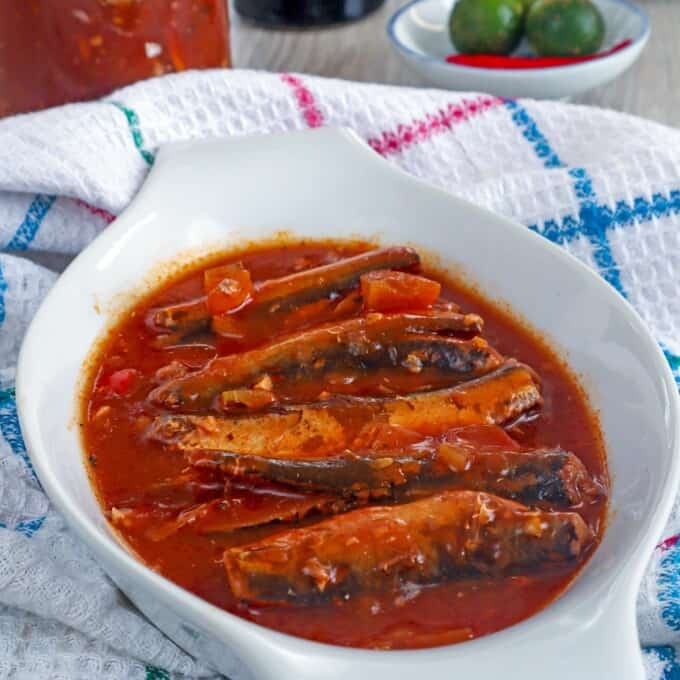
Homemade Sardines in Tomato Sauce are easy to make and cook perfectly in the pressure cooker! Skip the store-bought tins and experience the tender fish and rich, savory flavors of this classic pantry staple made entirely from scratch.
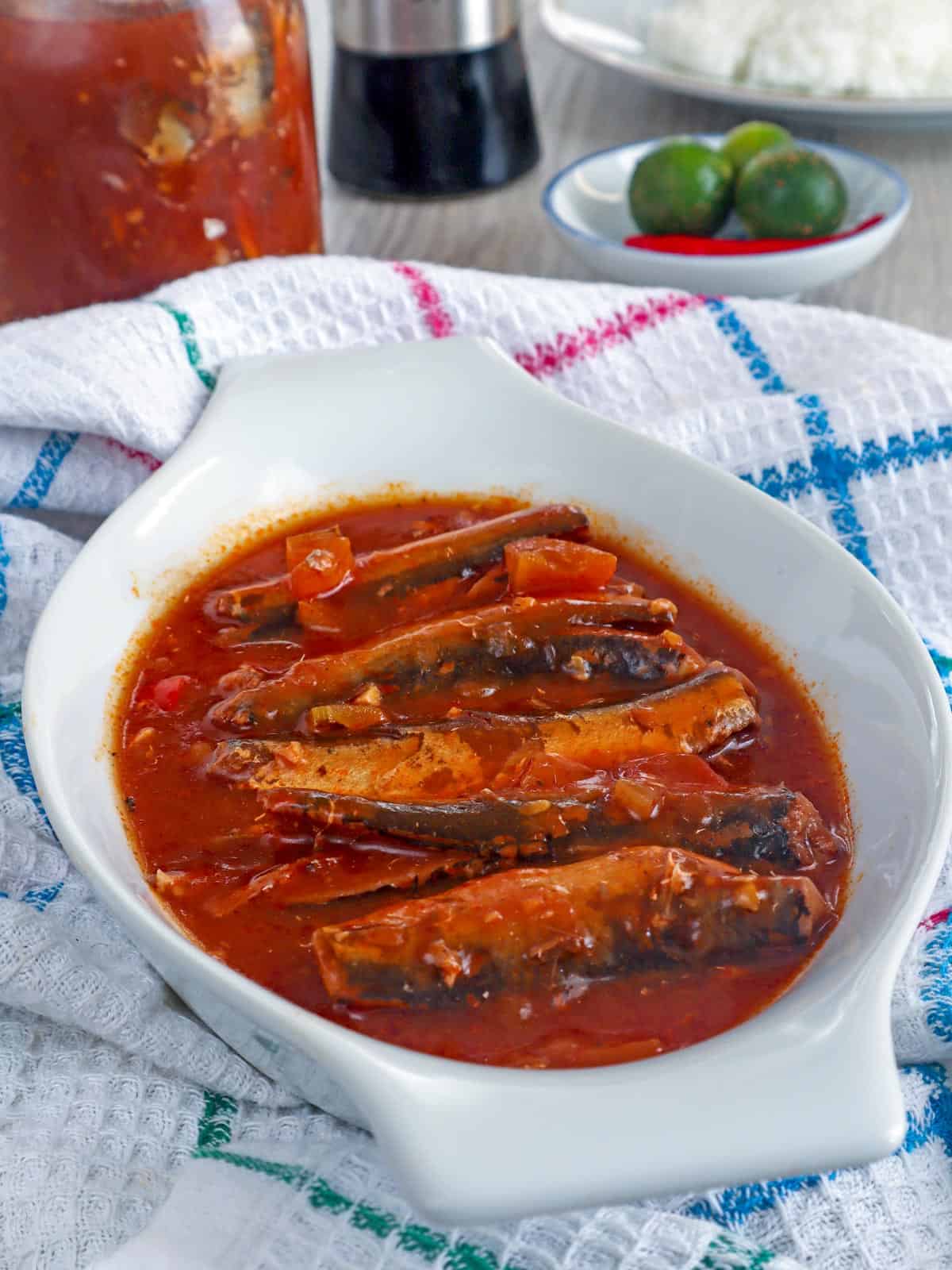
Canned sardines in tomato sauce are a staple in almost every Filipino pantry. They're relatively cheap and easy to find stocked in large supermarkets and neighborhood sari-sari stores alike. When they're so affordable and convenient, why, you might ask, do we even bother making them from scratch?
- Homemade sardines taste better and are so much healthier than canned varieties. There are no preservatives added, plus you have more control of the salt content.
- Simple and easy to make using a pressure cooker.
- There's just something so incredibly fun and deeply fulfilling about making a meal from scratch, such as salted eggs or Spanish-style bangus in oil.
Ingredient notes
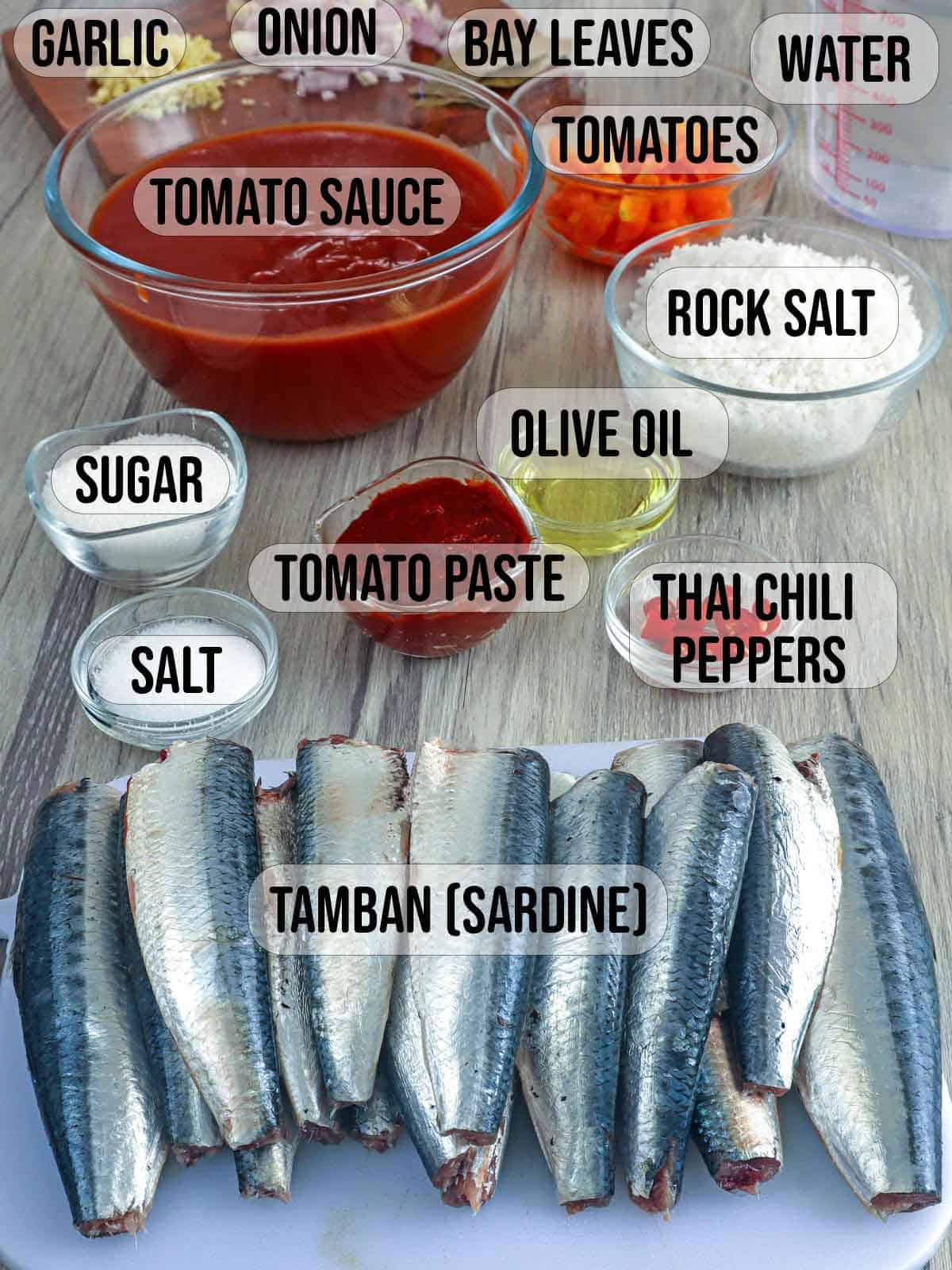
- Tamban- a small, nutrient-rich fish belonging to the sardine family that is said to be named after the Mediterranean island of Sardinia because of the abundance of the fish found there. The term sardine refers not only to the fish but also to small fish packed tightly in cans.
- Olive oil- EVOO, or extra-virgin olive oil, is preferred, but any neutral-tasting oil such as vegetable, canola, or sunflower will work, too.
- Tomatoes- use fresh, ripe tomatoes for a sweeter, juicier taste.
- Tomato Sauce and tomato paste- thicken and enrich the sauce's flavor.
- Sugar- a small pinch balances the acidity of tomatoes with a touch of sweetness
- Salt- rounds up the flavors
- Aromatics- garlic, onions, and bay leaves add depth
- Thai Chili Peppers- add a kick of spice to the dish; you can omit them or add more to taste.
Cooking instructions
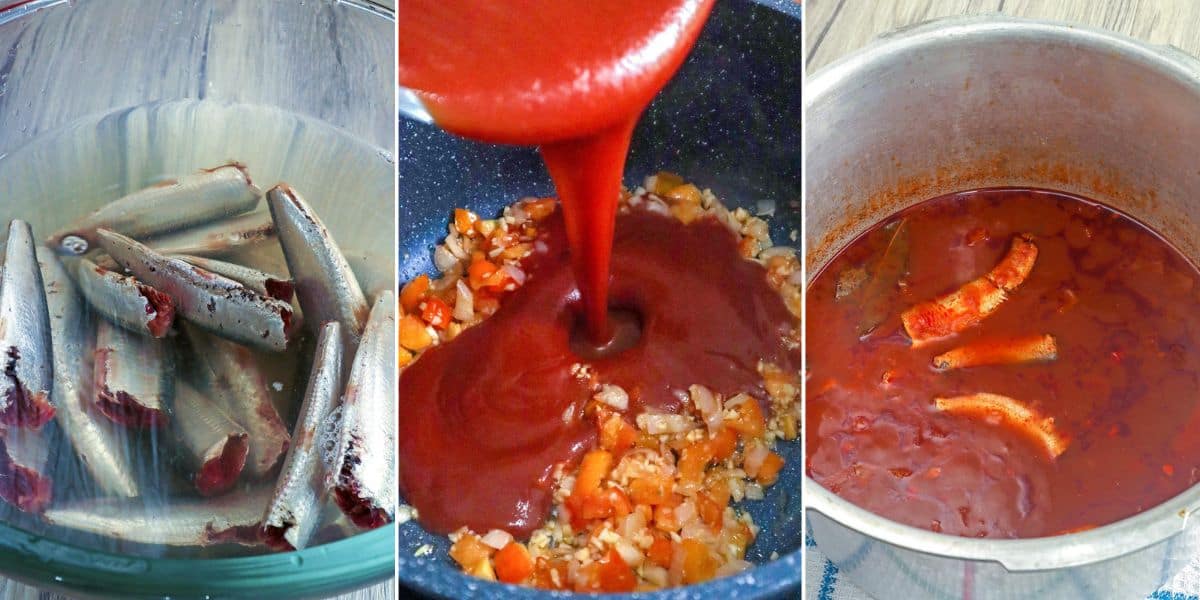
- Before pressure cooking, soak the fish in a simple salt-water brine. This helps firm up the proteins so the fish holds its shape, while locking in moisture to keep it perfectly juicy.
- Sauté the aromatics and simmer the sauce ingredients before combining with the fish to build flavor.
- Pressure cook for about 60 minutes. The high heat and pressure will soften the small bones and scales, but the fish will remain intact. The water will evaporate during the process, leaving the sauce thick and hearty.
Helpful tip
While you can cook the sardines low and slow on the stovetop, a pressure cooker is the way to get the bones perfectly soft and edible.
Serving suggestions
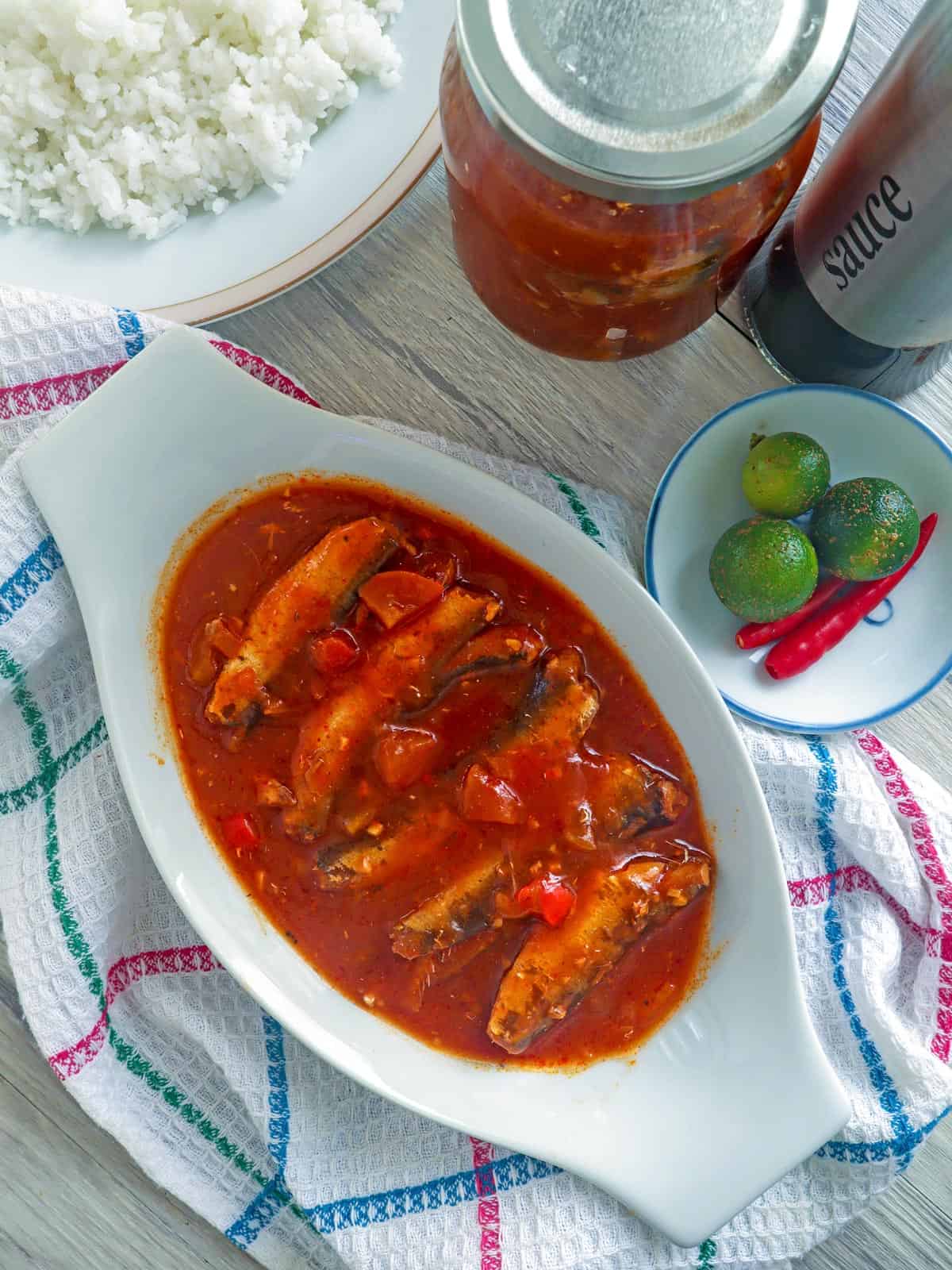
- Sardines with tomato sauce make a tasty and filling meal for breakfast, lunch, or dinner. Serve as main entree with steamed rice and toyo-mansi for dipping or with pandesal as a sandwich filling.
- Turn your homemade sardines into other delicious dishes like Calderetang Sardinas, Ginisang Sardinas at Miswa, or Ginisang Ampalaya sa Sardinas.
How to store
- Transfer to airtight containers and refrigerate for up to 3 days.
- To prolong shelf life, use clean, sterilized jars for storage.
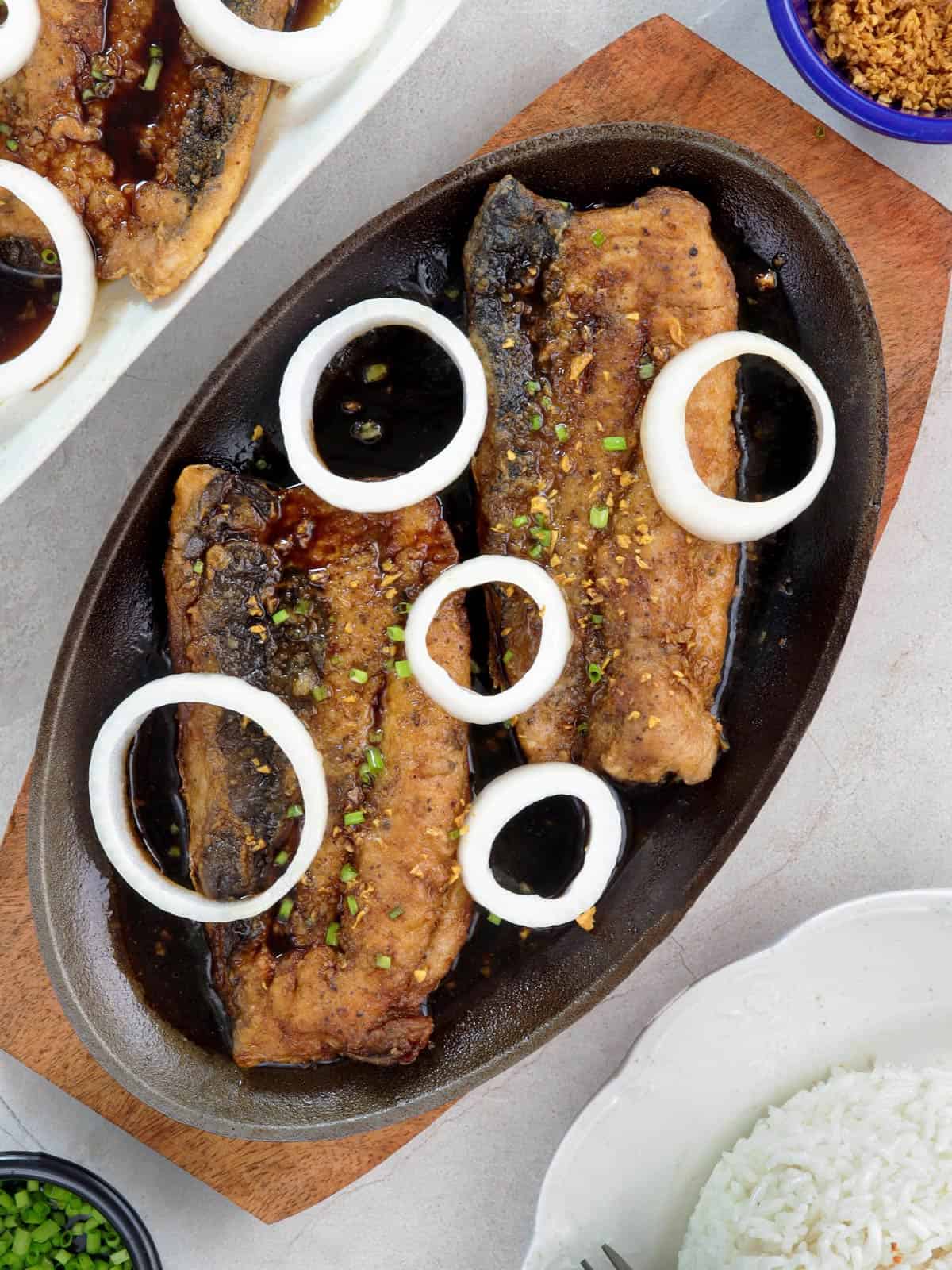
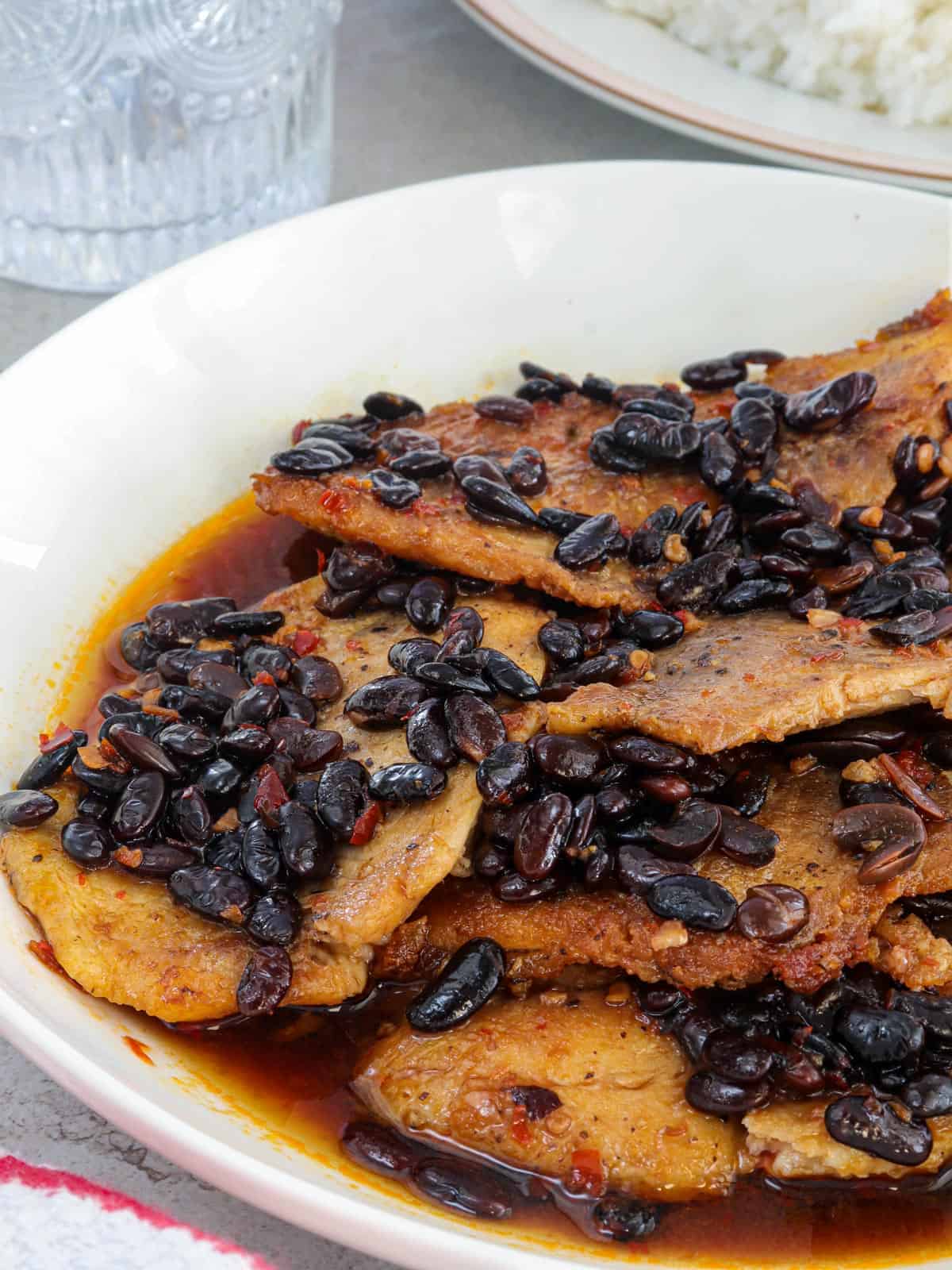
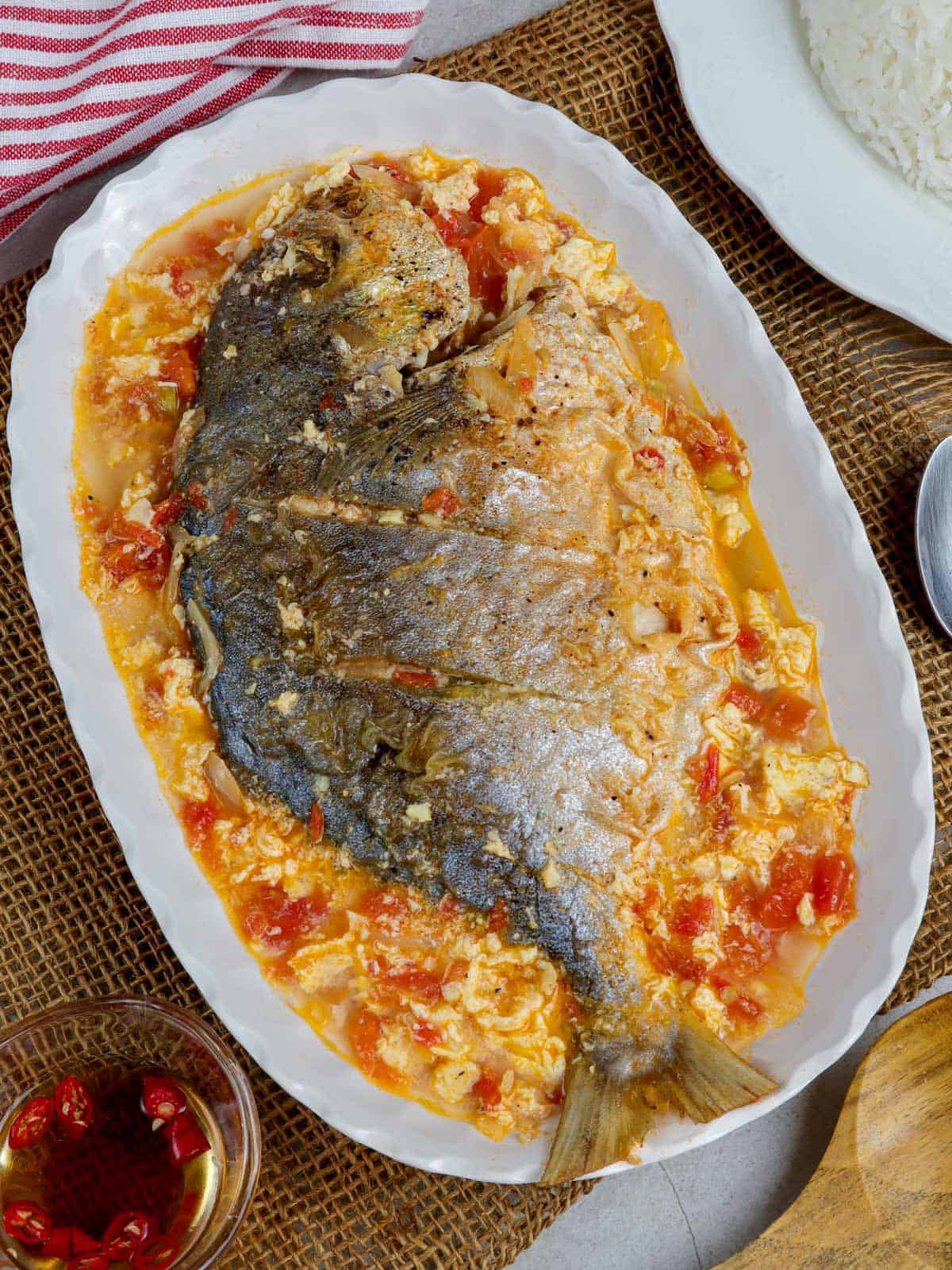
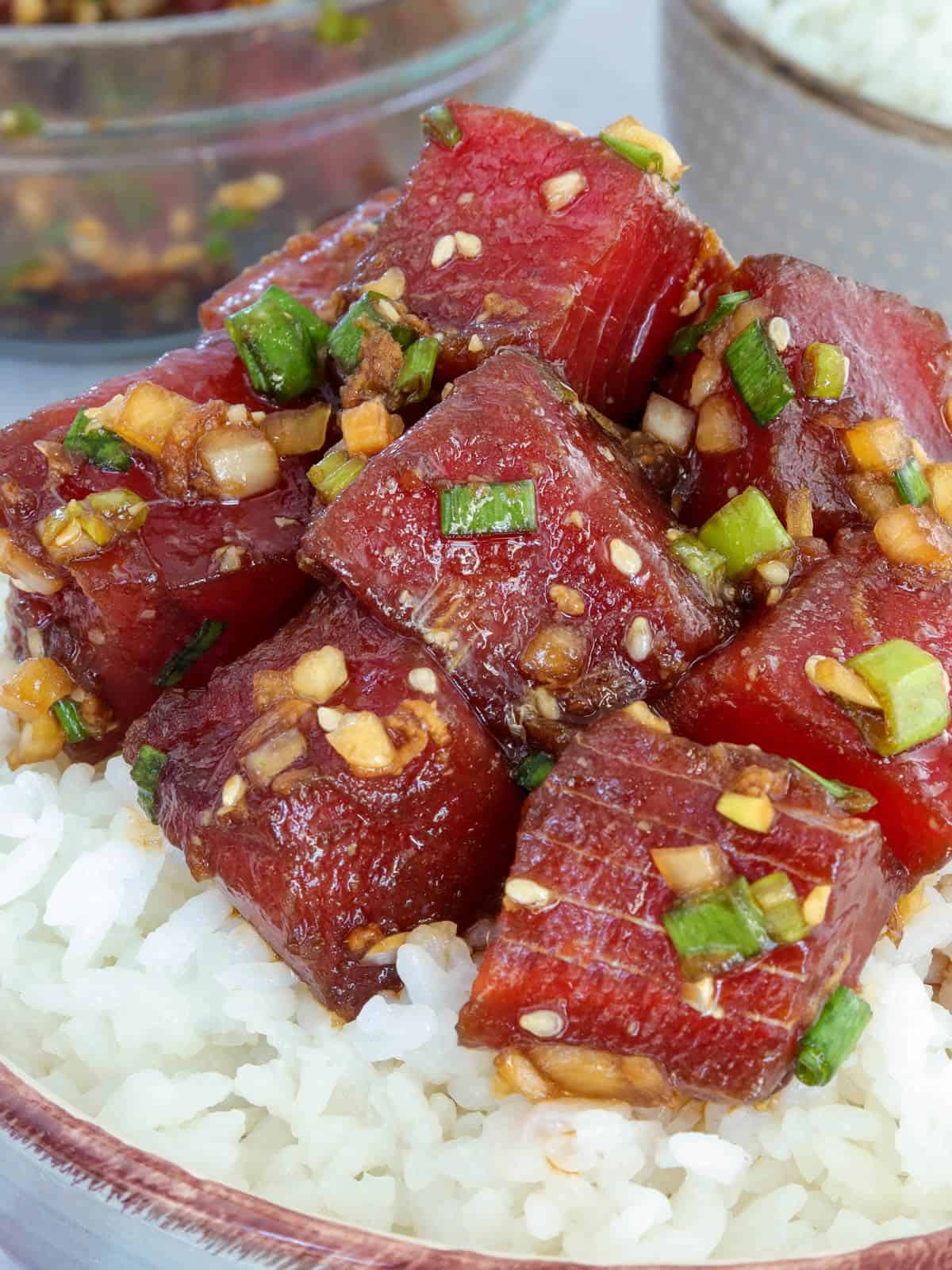
More fish recipes
Ingredients
- 3 ppunds tamban (sardine)
- 6 cups water
- ¾ cup rock salt
- 2 tablespoons olive oil
- 1 onion peeled and chopped
- 4 cloves garlic peeled and minced
- 2 tomatoes chopped
- 3 cups tomato sauce
- 2 ½ tablespoons tomato paste
- 3 cups water
- 2 ½ tablespoons salt
- 3 tablespoons sugar
- 2 bay leaves
- 2 Thai chili peppers chopped
Instructions
- Clean the fish, removing the guts, head, and tail.
- In a large bowl, combine water and rock salt. Stir until the salt is dissolved. Soak tamban in the brine solution for about 30 minutes. Drain and rinse well.
- Arrange the sardines on the bottom of the pressure cooker.
- In a pot over medium heat, heat olive oil. Sauté onions and garlic until aromatic. Add tomatoes and cook until softened and release juices.
- Add tomato sauce, tomato paste, and water. Stir well to combine.
- Add salt, sugar, and bay leaves, and stir until dissolved. Add chili peppers. Simmer for about 3 to 5 minutes.
- Pour the tomato sauce mixture over the sardines in the pressure cooker.
- Close the lid and cook for about 60 minutes. Turn off the heat and release pressure. Carefully open the lid. Allow to cool, then transfer to containers.
Nutrition Information
“This website provides approximate nutrition information for convenience and as a courtesy only. Nutrition data is gathered primarily from the USDA Food Composition Database, whenever available, or otherwise other online calculators.”

Leni Escueta says
Yay! Homemade sardines😋 i better try this one as its much healthier😍
Jocel Castillo says
This homemade sardines is healthy and delicious dish, no preservative added. I will try to make this.😊
Linda Sayson says
Wow, homemade sardines, I want to try this 😍