
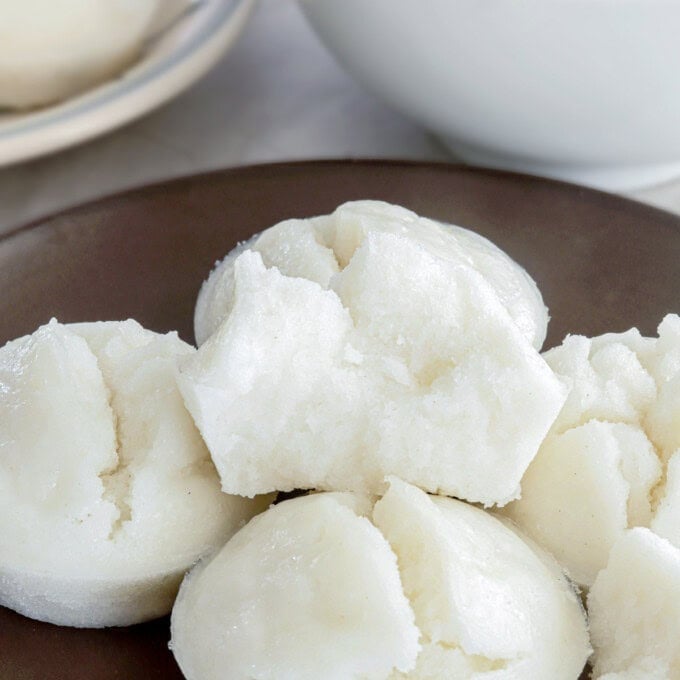
Puto Bigas, made with rice flour and coconut milk, are soft, fluffy, and tasty! These Filipino steamed rice cakes are delicious on their own or paired with savory dishes such as pancit and dinuguan.
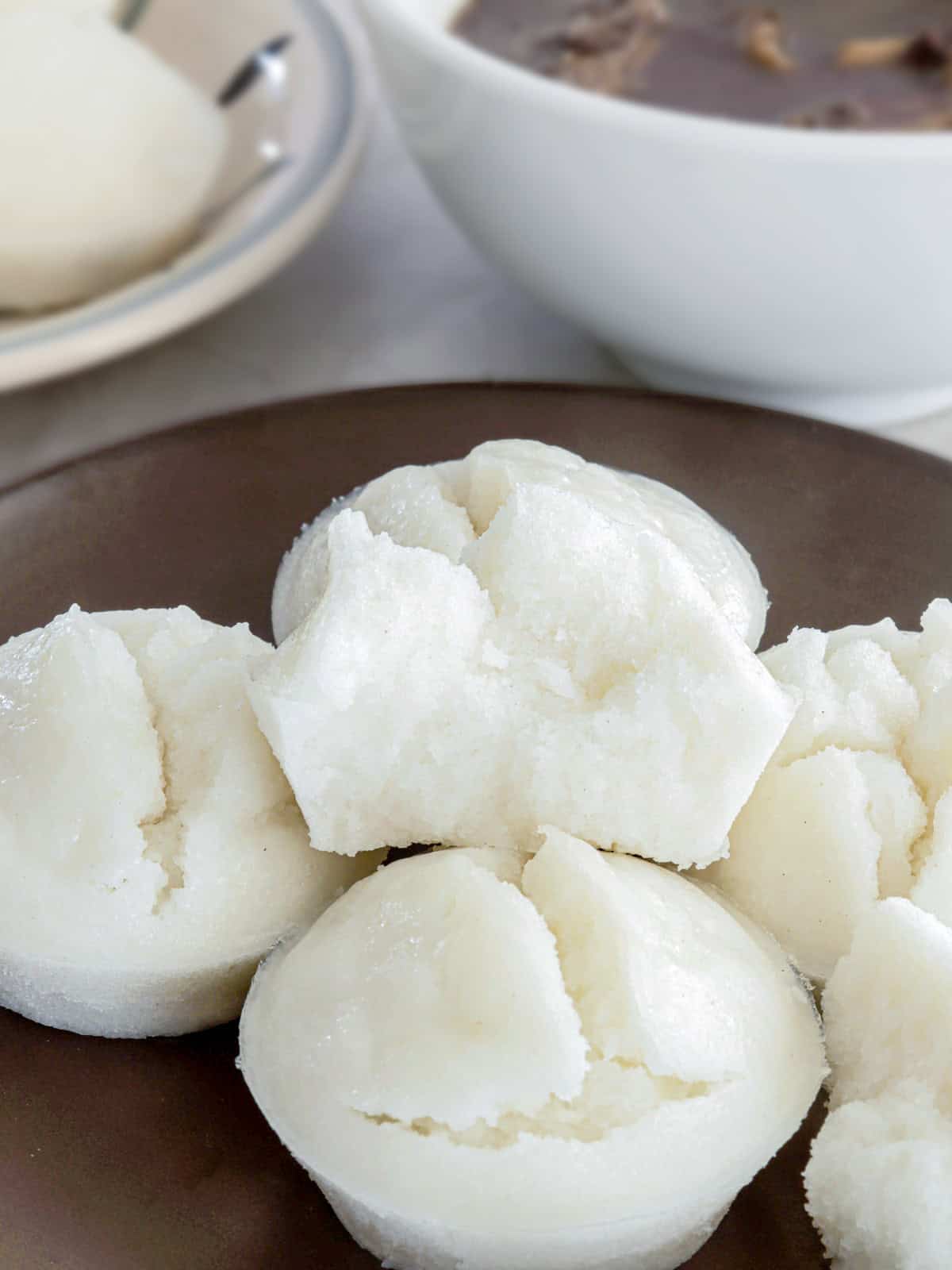
I have recipes for morcon and kilawing labanos atay ready to publish in my draft box, but since I posted my dinuguan a couple of days ago, I thought the best follow-up would be its perennial pair: puto. Because what's better to serve with hearty and savory pork blood stew than soft and fluffy steamed rice cakes?
What is Puto
Puto is a popular Filipino steamed rice cake usually enjoyed as a filling midday snack or as an accompaniment to savory dishes.
Although all-purpose flour, cake flour, or even hotcake mixes are used for puto cake or cheese puto, traditional putong puti is made by soaking rice grains in water overnight and then processing them into a smooth batter called galapong. The fermented rice batter is then steamed in banana-lined bamboo platters (bilao) or individual molds.
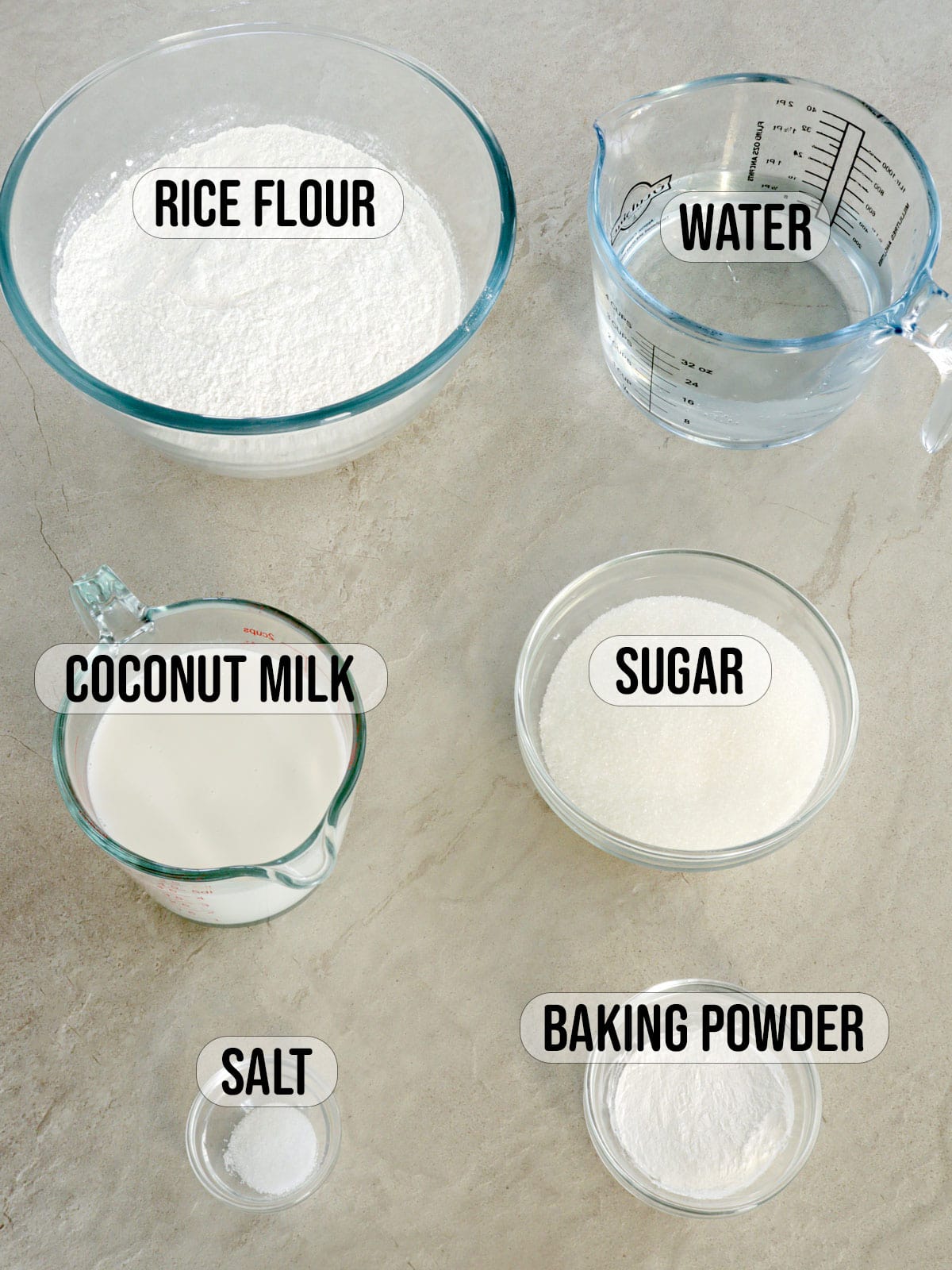
Leavening agents, such as baking powder or yeast, are used to give the batter a rise. Coconut milk provides moisture, while sugar adds sweetness, and a sprinkling of salt balances the flavors.
Over the years, home cooks have spun these native cakes into a wide variety of delicious dishes by adding pandan or ube extracts or by topping them with slices of cheese or salted duck eggs.
How to Make Puto with Rice Flour
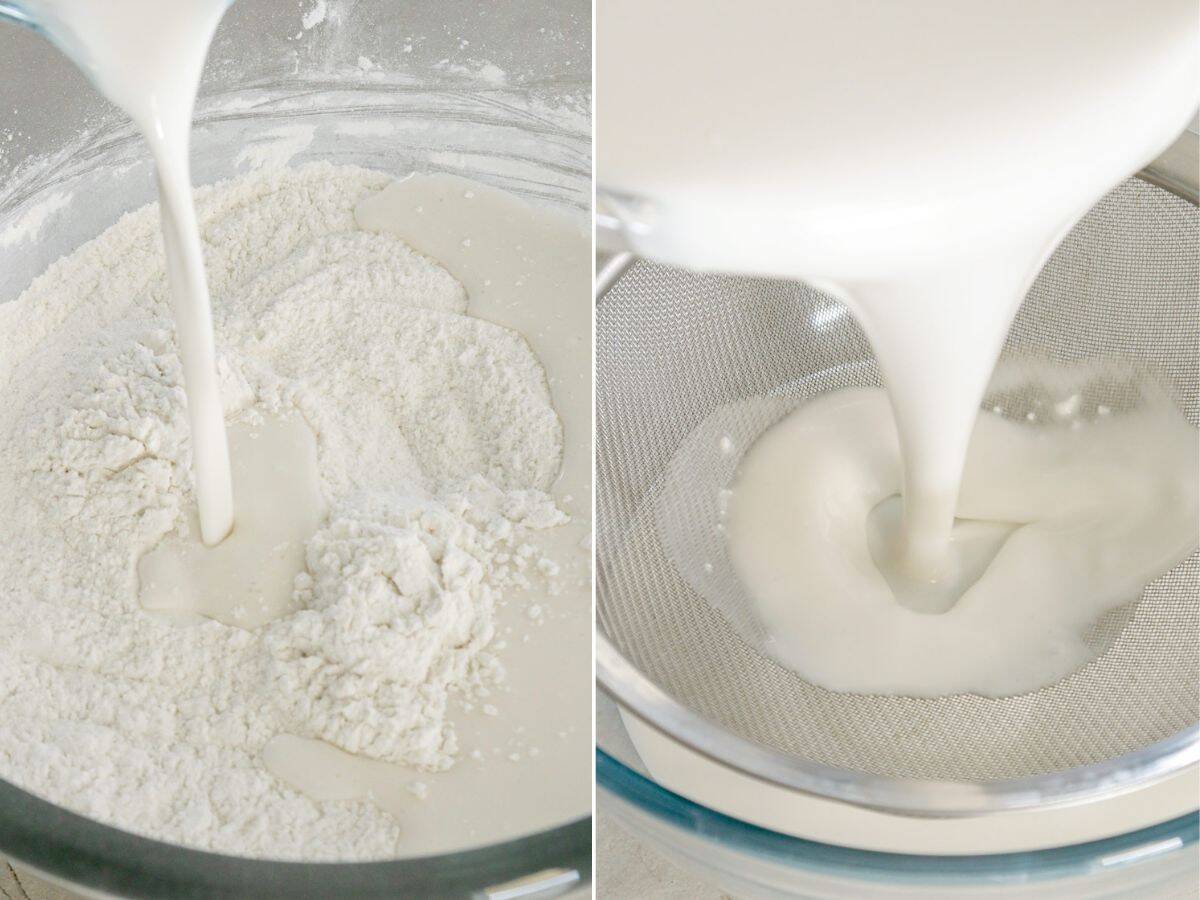
- Combine the ingredients in a bowl and stir until smooth and blended. Strain the mixture using a fine-mesh sieve to remove lumps.
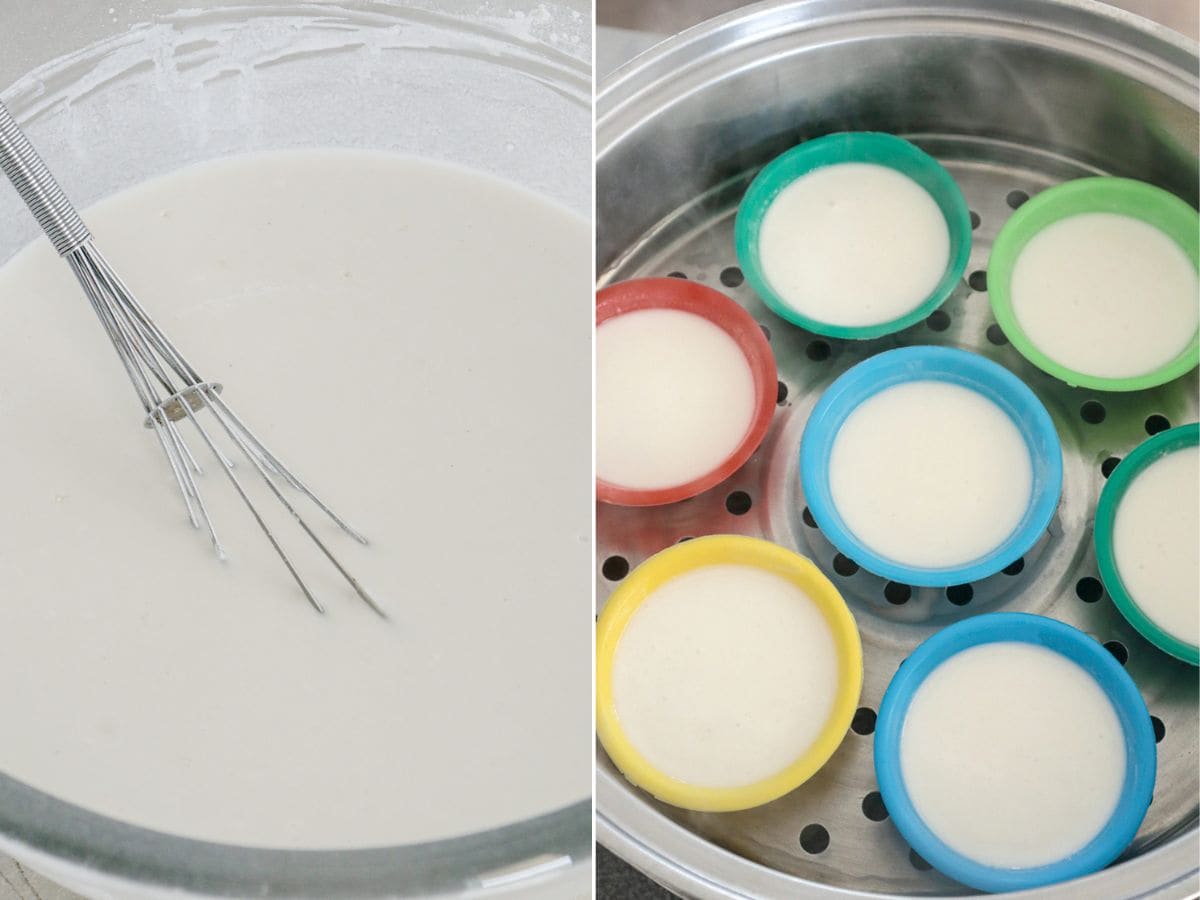
- While you can steam the rice batter as soon as you make it, I highly recommend refrigerating it first overnight before steaming. It makes for a softer, fluffier, and less crumbly texture.
- I find it unnecessary to grease the molds. Just allow the puto to cool enough before removing it from the molds to prevent it from falling apart.
- Cover the steamer lid with cheesecloth or another cotton material to prevent condensation from dripping onto the steamed muffins.
- Adjust the steam time based on the size of the molds or ramekins used. Check for doneness by inserting a toothpick in the center of the cake; if it comes out clean, the steamed cake is done.
Helpful Tip
To create the cracks on top, make sure the water is rapidly boiling before placing the puto in the steamer and steam on high heat.
Frequently Asked Questions
Is Filipino puto gluten-free?
It depends on the recipe. Some puto varieties are made with wheat flour, but this particular recipe for putong puti, or bigas, uses rice flour only and is gluten-free.
Serving suggestions and storage instructions
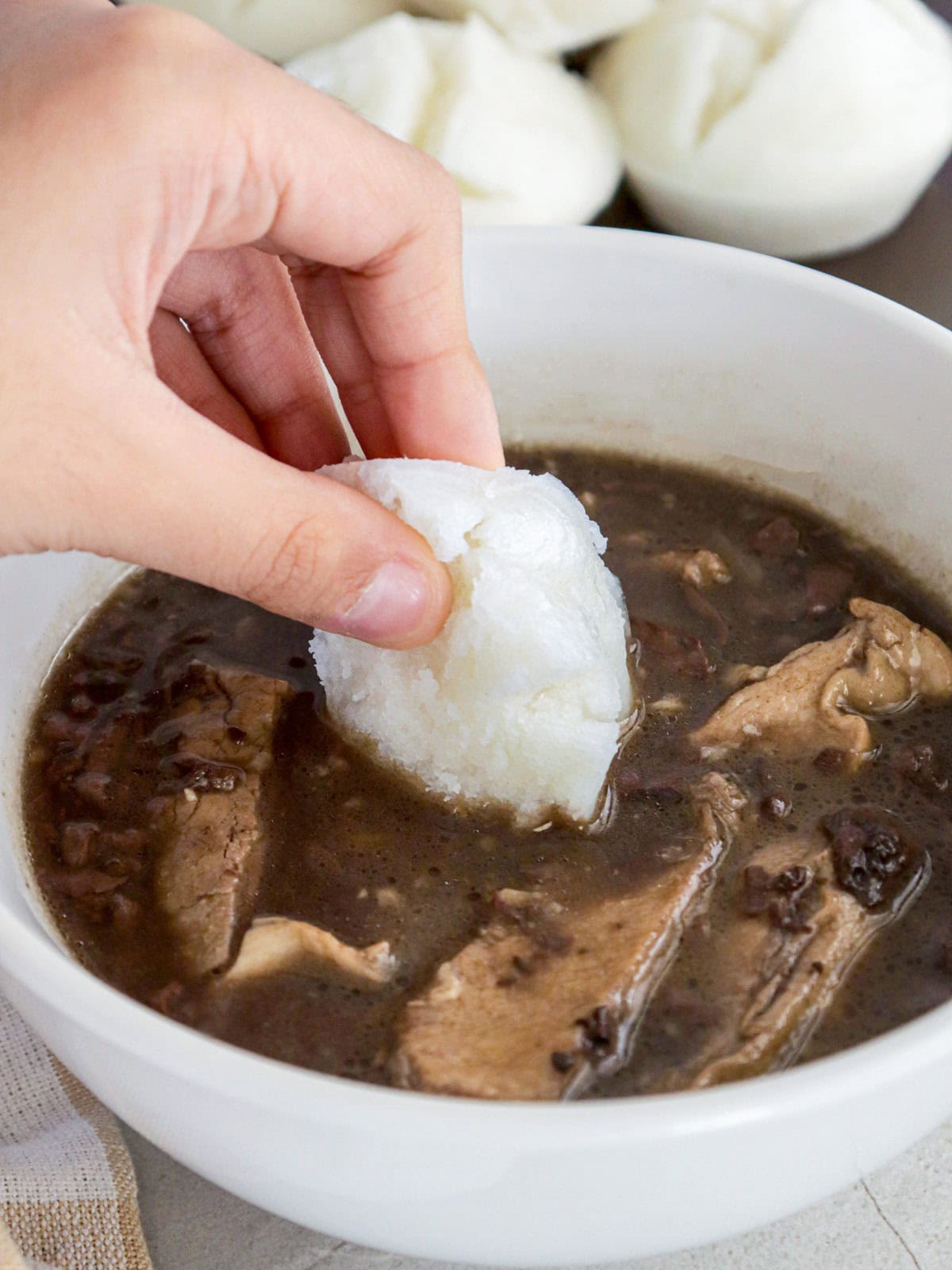
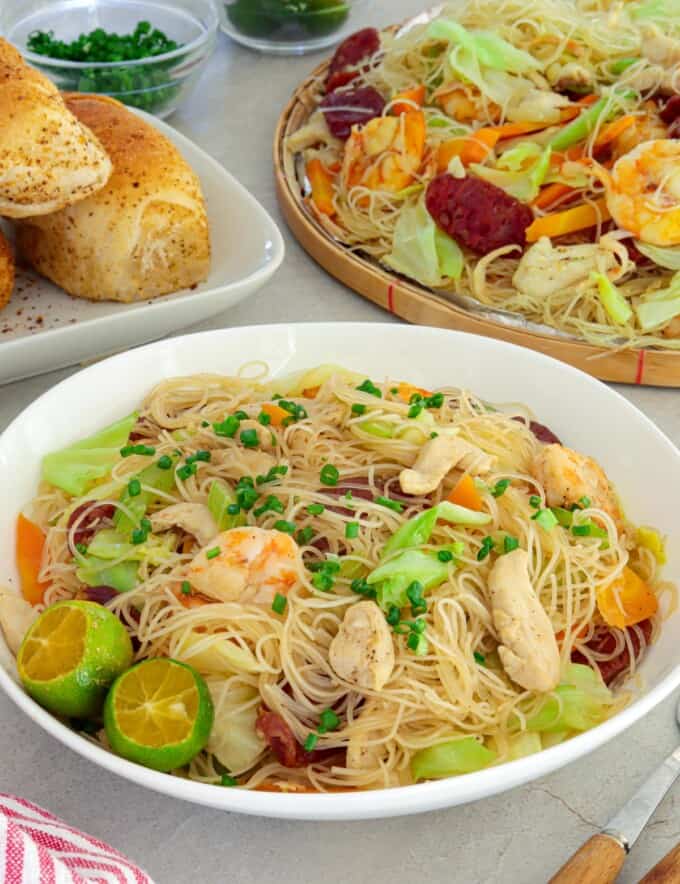
- Serve this Filipino delicacy on its own or as a side to other dishes such as dinuguan, pancit palabok, or chicken sopas.
- Store leftovers in an airtight container; they will keep in the fridge for up to 3 days. When ready to serve, warm in the microwave for a few seconds or in the steamer for about 3 to 5 minutes until softened.
More Snack Recipes
Ingredients
- 4 cups rice flour
- 1 ½ cups sugar
- 2 tablespoons baking powder
- ½ teaspoon salt
- 2 cups water
- 1 can (13.5 ounces) coconut milk
- non-stick cooking spray or melted butter
Equipment
- Steamer
Instructions
- In a bowl, combine rice flour, sugar, baking powder, and salt. Whisk until distributed.
- Add water and coconut milk. Stir until smooth and well-blended. Strain using a fine-mesh sieve.
- Cover with film and refrigerate overnight.
- Pour batter into molds up to ¾ full.
- In the bottom part of the steamer, add water and bring to a boil. Arrange filled puto molds in a single layer on the steamer basket. Place steamer basket over the bottom part. Wrap lid of the steamer with cheesecloth or any cotton material (to prevent condensation from dripping onto puto) and cover steamer.
- Steam for about 15 minutes or until a toothpick inserted in center comes out clean.
- Remove from the heat and allow to cool and gently remove puto from the molds.
Nutrition Information
“This website provides approximate nutrition information for convenience and as a courtesy only. Nutrition data is gathered primarily from the USDA Food Composition Database, whenever available, or otherwise other online calculators.”
Josephine Macabuhay says
Thanks sa mga recipe mo Mam marami akong natutunang mga bagong recipe.Kosephine
M says
Hi! I wonder if there is a substitute for white sugar? Would honey work?
Ike says
How much water do you add to a 15oz coconut cream . Thank you .
Alice says
Can I use cream of coconut?
Linda Claud says
Regarding if whats the process of cooking rice puto cake. Is it high heat or low heat. Thanks.
Maria Luz S. Dela Llana says
Hello maam. The best talaga lahat ng recipe mo..
Lalaine Manalo says
Salamat po 🙂
Julie Lagarejos says
I will try to make this recipe it’s kinda different from the other puto that I made. Looks like it taste more better because of the coconut milk.
Leonora Alcause says
Gusto Kong matoto Gumawa ng mga cakes gwa sa rice flour gya ng puto, kutsenta sapin, dapin
Nurisa Guludah says
Super yummy CIA..tamang Tama Ang tamis Nia..thank you sa recipe..
Ed Encia says
Kailangan po ba e ref ang mixture paano po pag wlang ref hindi po ba yon ma panis pag ibabad lang na hindi e ref?
Pedia says
Thanks for sharing👊❤
aileen artezuela says
hello mam ilang cups po ung (13ounce)
thank u and godblessed po
Rizalito Olivar says
I want the cooking recipe, and will try to cook, during my free time, and present it to all my friends. Thanks for posting. . .
Ela says
Look so yummy❤️❤️I have cake flour available, Can i use cake flour to make puto instead of rice flour?
Sarah says
Followed the recipe exactly and left the batter in the fridge overnight. The flavour is ok, though a little too sweet for my liking. The ones I made look like the picture in the recipe but they’re so crumbly. They are firmer when cool, but still not a great texture. It would be hard to mop up any sauces with these puto. I think recipes with plain flour are a better texture.