
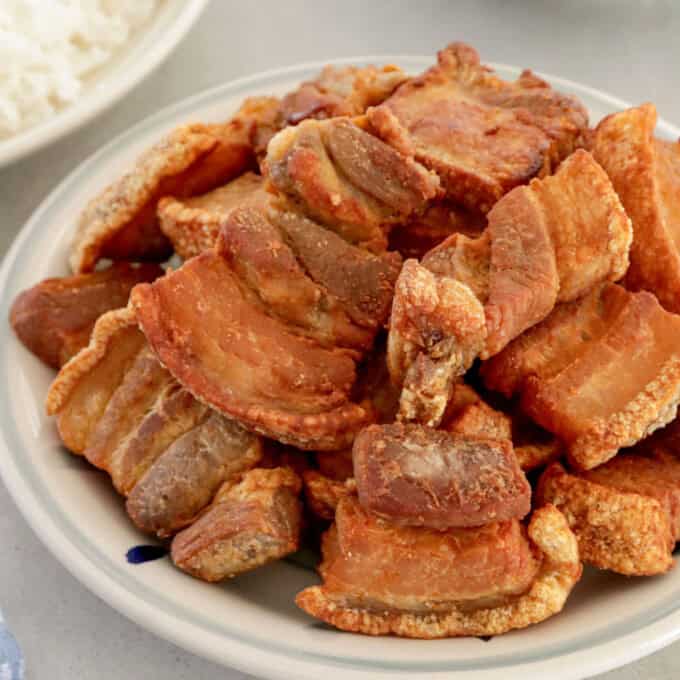
Craving crispy lechon but are short on time or energy? Try pinakupsan! These Visayan-style pork morsels are super easy to make with just two ingredients and make a delicious appetizer or main dish.
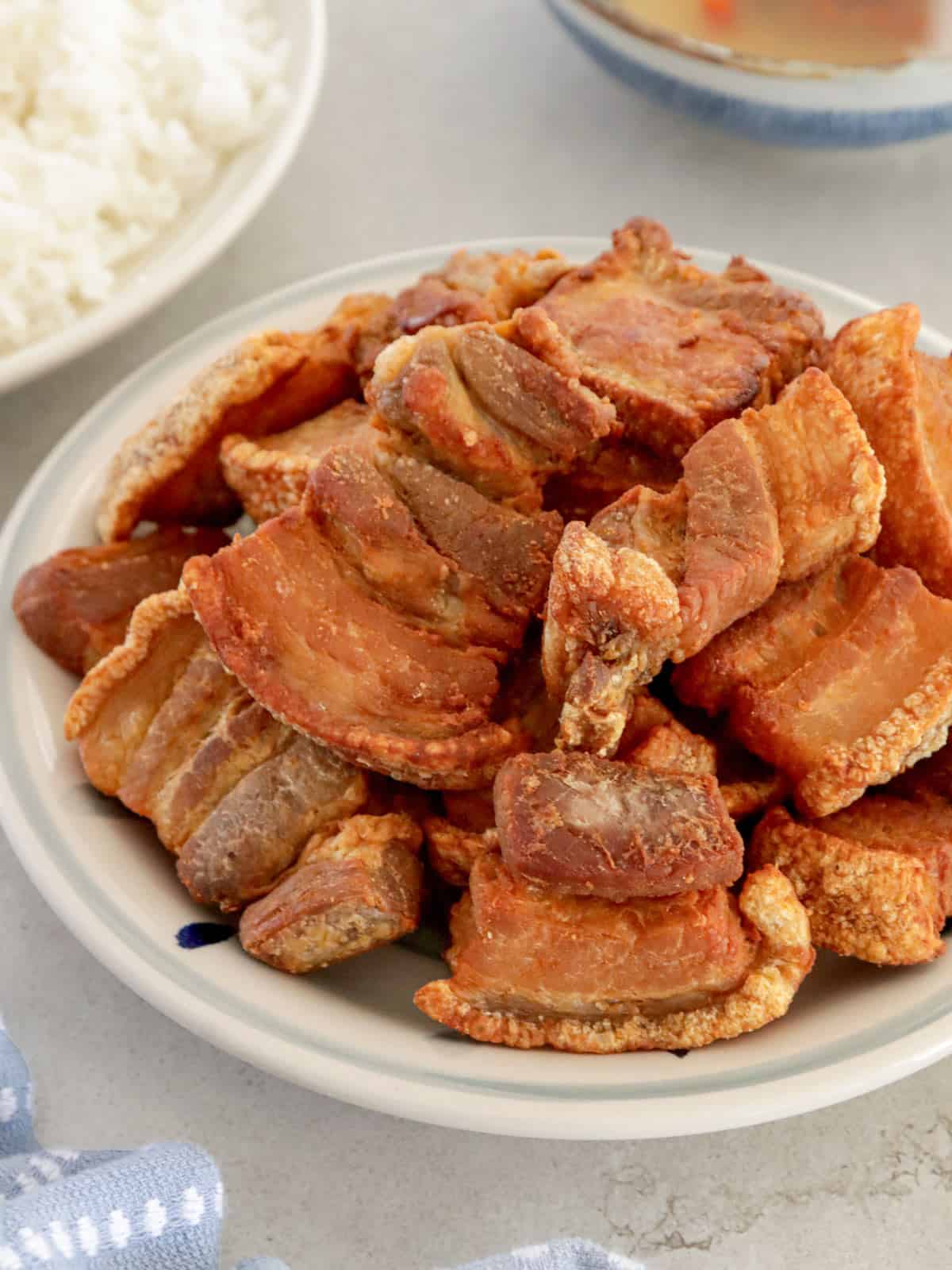
Although I boldly claim to make the meanest, baddest crispy pata and the moistest, crunchiest lechon sa hurno on this side of the planet, there are times when I don't want to be encumbered by their laborious cooking process.
If you're looking to enjoy crisp, succulent pork without boiling the meat, drying it out overnight, or deep-frying it the next day, read on to learn the easy trick that requires hardly any work.
What is Pinakupsan
Pinakupsan comes from the Cebuano root word "kapos' which means "to shrivel or shrink", describing exactly how the pork belly is slow-cooked until the fat renders out and the meat shrinks to crispy, flavorful morsels.
Unlike lechon kawali, which requires an incredible amount of oil for deep-frying, this Visayan delicacy fries and browns in its own rendered fat.
Ingredient notes
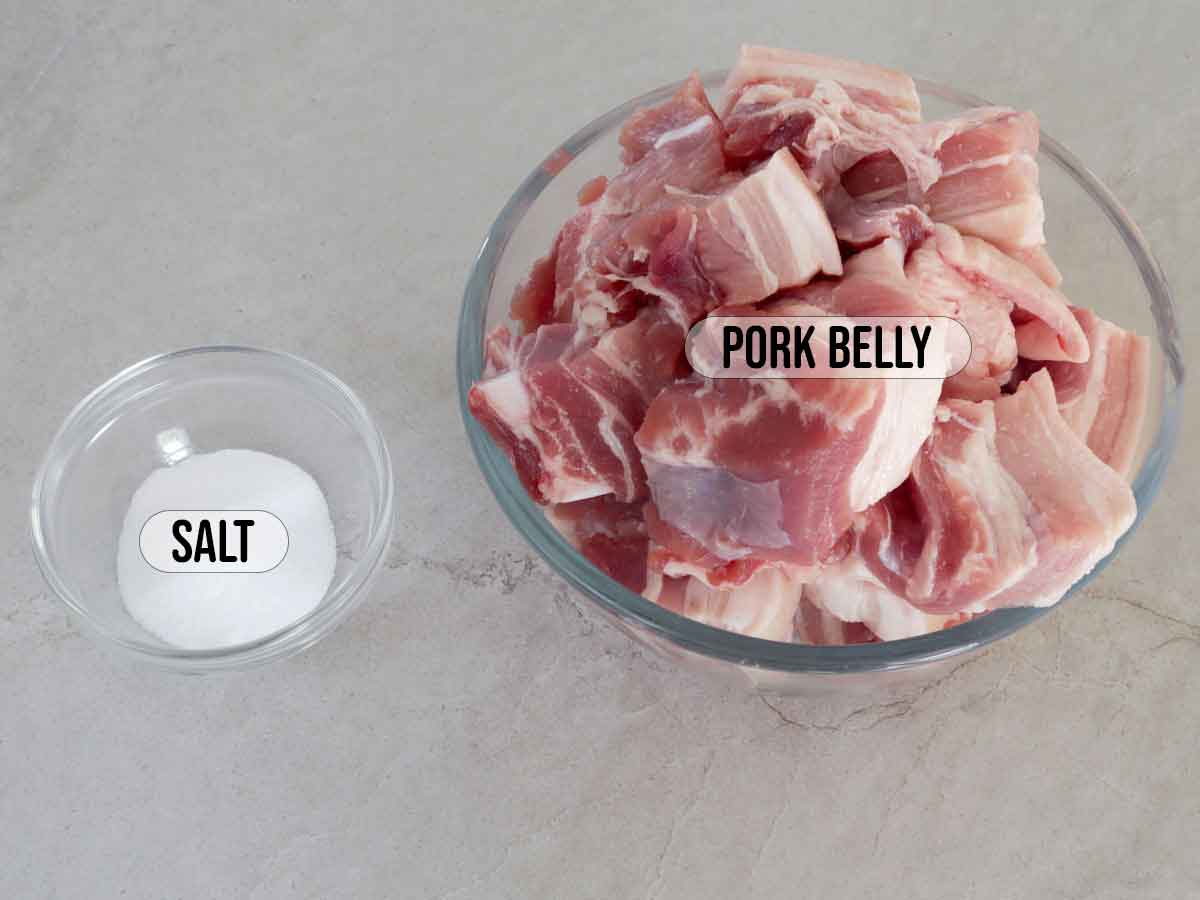
At the very basic, this recipe requires only two ingredients: salt and pork belly. You can, however, add fresh garlic cloves, peppercorns, and bay leaves to season the meat and enhance its flavor.
Cooking instructions
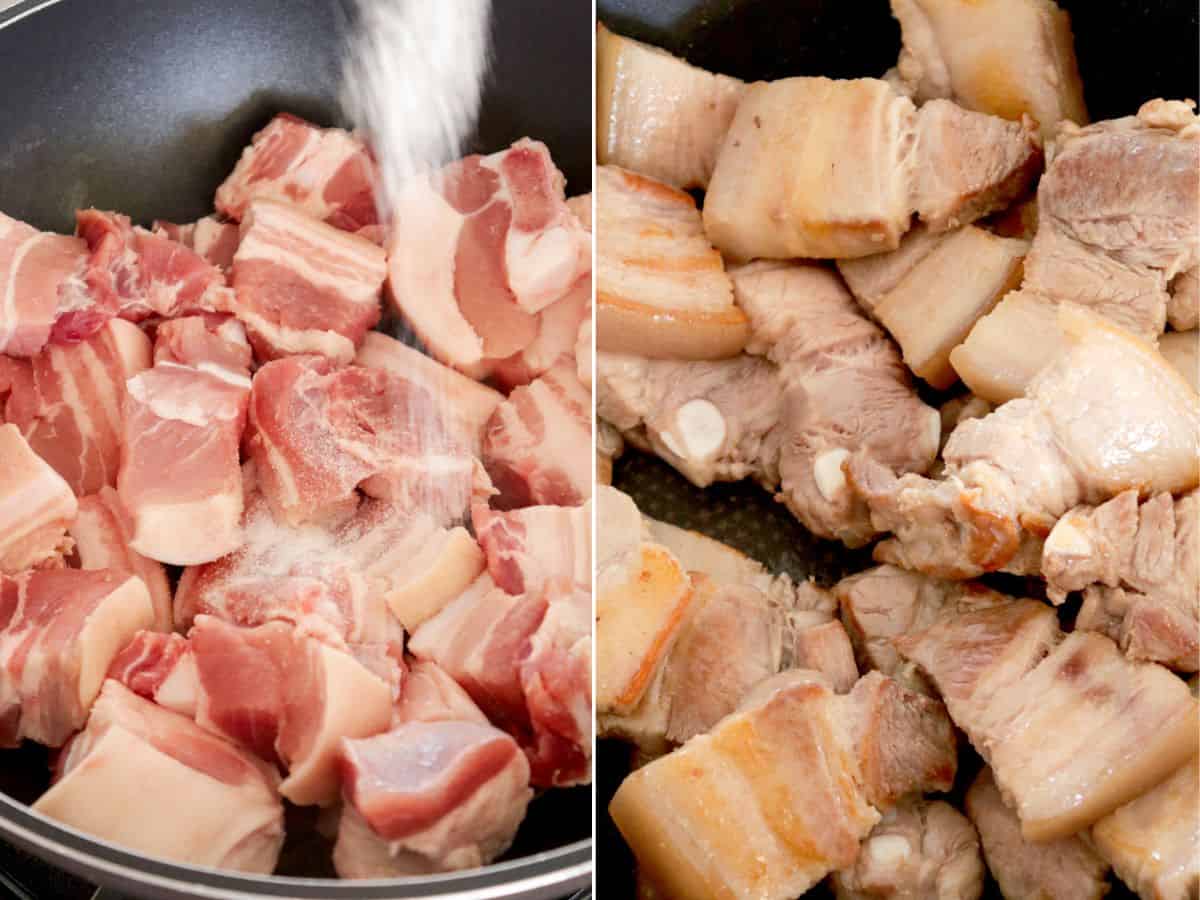
- Cut the pork into uniform sizes to ensure the pieces render fat at the same rate and finish crisping up at the same time.
- Season the pork with salt. There is no need to add water or liquid.
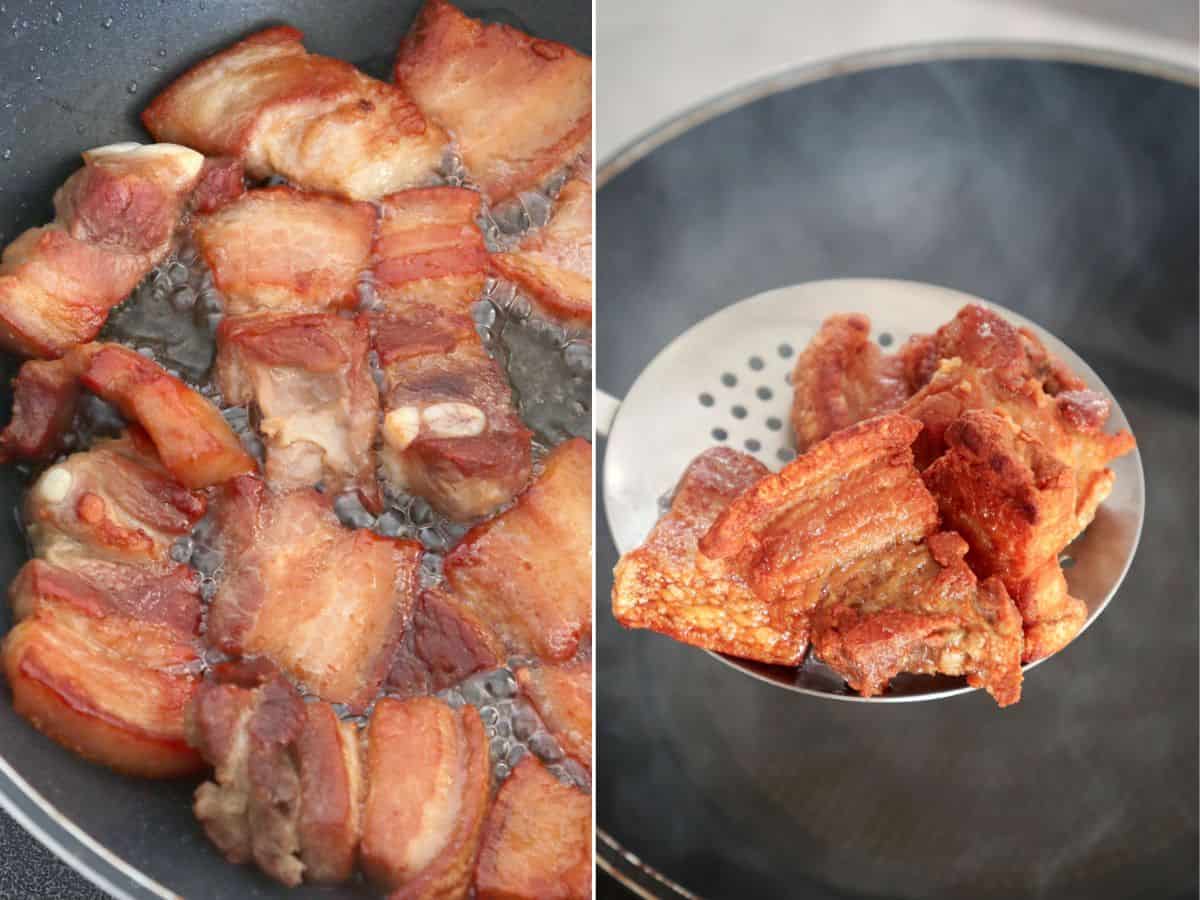
- Do not rush the process. The gentle, low cooking will allow the pork to render fat slowly and crisp up without burning, resulting in airy, crunchy bites rather than a tough, chewy texture.
- The longer the pork is cooked and the more fat it renders, the crispier the texture.
Cooking tip
Save the rendered fat! Use this homemade pork lard for frying rice, sauteing veggies, or cooking eggs to add incredible flavor.
How to serve
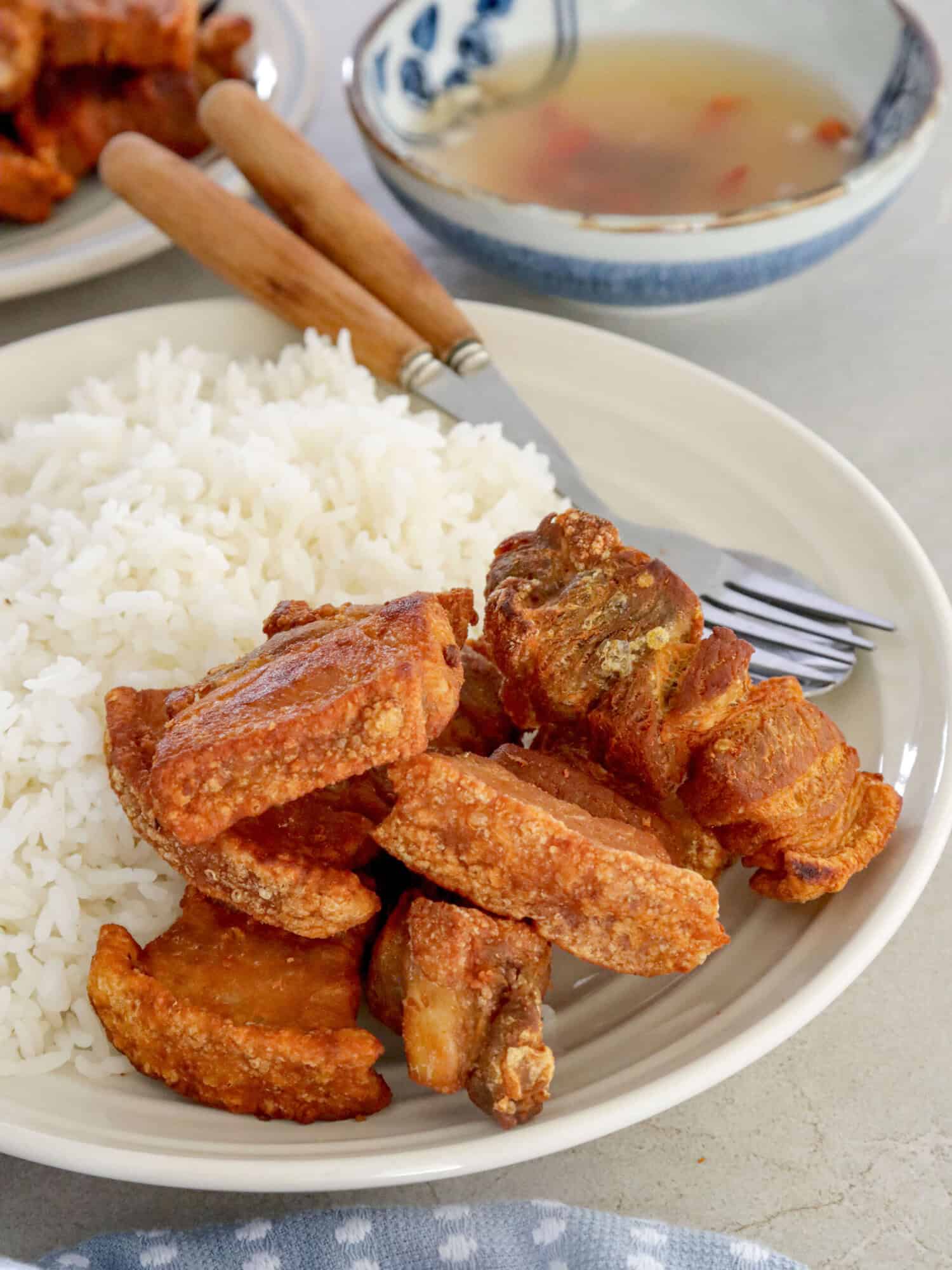
- These delectable pork morsels are often enjoyed as an appetizer or main dish. Serve with steamed rice and spicy vinegar for a hearty meal.
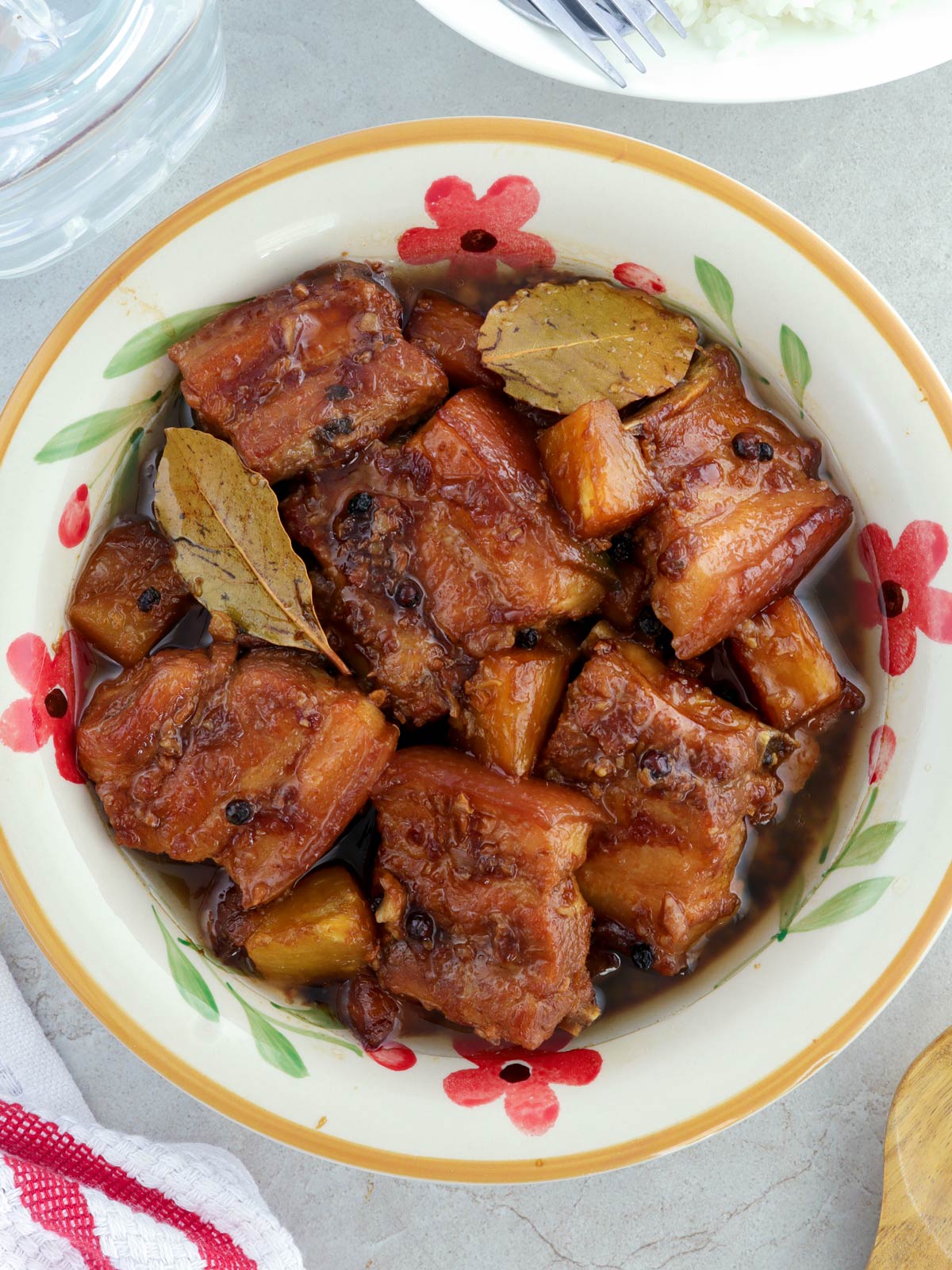
- Turn leftovers into humba or add to pancit, vegetable stir-fries, and soups such as pancit bihon, pinakbet, or ginisang munggo.
- Do not reheat in the microwave as the meat can turn soggy and chewy. To refresh the crispy pork and restore some crunch, pop them in an air fryer at 350°F for a few minutes.
More pork recipes
Instructions
- Place the pork in a wide, thick-bottomed pan. Season with salt.
- Cook, turning occasionally, for about 7 to 10 minutes or until pork begins to render fat. Reduce the heat and continue cooking until the pork is browned and reduced in size.
- When the pork has released oil, decrease heat to low. Cover and continue to cook, turning occasionally, until pork pieces are golden brown and reduced in size.
- With a slotted spoon, remove the pork from the pan and let rest for 3 to 5 minutes.
- Clean the oil of any sediments and heat. Return the pork to the pan and deep-fry until golden and crunchy.
- Remove from the pan and drain on a wire rack.
Notes
- Cut the pork into uniform sizes to ensure the pieces render fat at the same rate and finish crisping up at the same time.
- Do not rush the process. The gentle, low cooking will allow the pork to render fat slowly and crisp up without burning, resulting in airy, crunchy bites rather than a tough, chewy texture.
- The longer the pork is cooked and the more fat it renders, the crispier the texture.
Nutrition Information
“This website provides approximate nutrition information for convenience and as a courtesy only. Nutrition data is gathered primarily from the USDA Food Composition Database, whenever available, or otherwise other online calculators.”

grayz says
Hi Ms. Lalaine,
Greetings!
Mam ask ko lang po kung anong dapat gamitin pang luto kase before ang ginagamit po namin is tubig hanggang magmantika yung baboy? Or please help me for this... kahit bawal sa hi blood go for it...